

Commercial Building Monitoring by Industry
Every commercial property has unique environmental risks. ClimateGuard Pro designs customized monitoring solutions for offices, retail centers, healthcare facilities, industrial buildings, warehouses, hospitality properties, and multifamily communities. Our scalable monitoring solutions help organizations protect their buildings, occupants, and operations wherever they’re located.
REQUEST AN ASSESSMENTCommercial Office & Professional Suites
Office buildings depend on reliable HVAC systems, stable indoor temperatures, and proactive maintenance to keep tenants comfortable and operations running smoothly. ClimateGuard Pro helps property managers identify environmental risks before they become expensive building problems.
- Instead of placing sensors on every floor, we stagger them like a checkerboard to give us a complete picture of the building’s thermal envelope and RTU performance with 50% less hardware.
- We monitor temperature decay after hours. If a suite drops temperature too fast after the heat turns down, you likely have insulation gaps or window seal failures.
Key Hardware
- Wireless Thermostats (Ambient Temp)
- Duct Sensors (Supply/Return Air)
- Water Pucks (Break room sinks)

Retail & Shopping Centers

Retail centers often experience their greatest risks in vacant tenant spaces, mechanical corridors, and utility rooms where problems can go unnoticed for days. If a pipe bursts in a vacant unit on Friday night, it runs all weekend until it floods the operating tenant next door.
- We deploy a “Vacancy Kit” (Leak detection + Low Temp Freeze alert) in every empty unit. When you lease the space, we simply move the kit to the next vacancy.
- We place sensors in the back hallways and mechanical corridors that store managers rarely visit.
Key Hardware
- Water Pucks (Restrooms/Utility sinks)
- Low-Temp Sensors (Freeze warnings)
- Open/Close Sensors (Roof hatch security)
Multifamily & Hospitality
Resident comfort and property protection depend on quickly identifying environmental problems before they affect occupants or cause costly repairs.
- We monitor boiler supply temperatures and hallway ambients 24/7. If a boiler trips at 2 AM, your on-call engineer gets a text immediately—fixing the issue before residents wake up to cold showers.
- In laundry rooms and garden-level units, we track high humidity trends to stop mold growth before it climbs the drywall.
Key Hardware
- Humidity/Dew Point Sensors
- Water Ropes (Boiler perimeter)
- Standard Temp Sensors (Common areas)

Medical, Life Science & Cold Storage
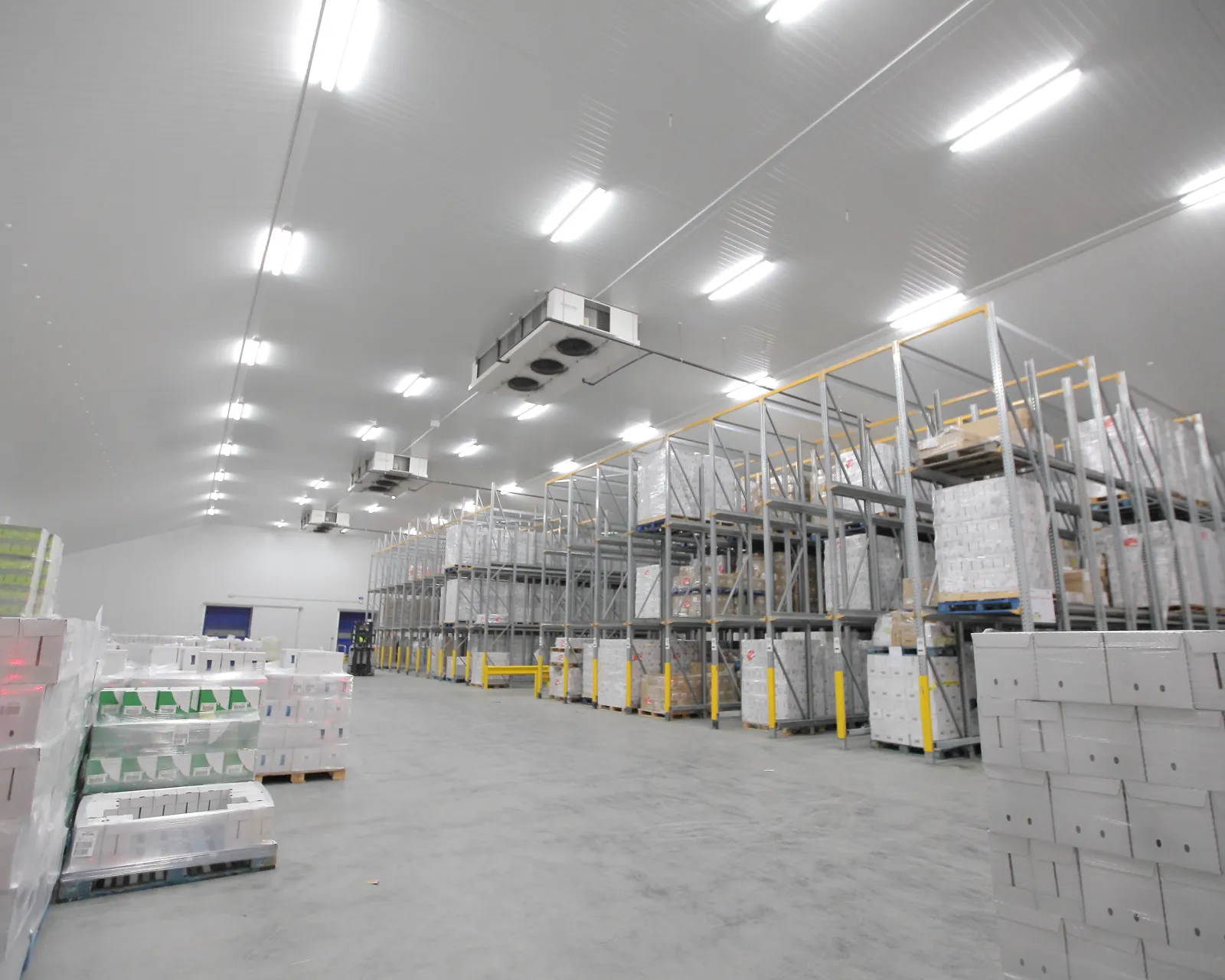
Healthcare facilities, laboratories, pharmaceutical storage, and food-service operations require continuous temperature monitoring and accurate compliance records to protect valuable inventory and maintain regulatory standards.
- We offer sensors capable of meeting strict calibration standards for medical inventory.
- Our system automatically logs temperature readings every 15 minutes, providing a downloadable audit trail for inspectors.
- We detect if a freezer door is left open, alerting staff before the temperature breaches the safe zone.
Key Hardware
- Digital Temperature Loggers (with Glycol buffers)
- Dry Contact Sensors (Door status)
- Probe Sensors (Walk-in Coolers)
Industrial & Warehousing
Industrial facilities and warehouses often face unique challenges, including large open spaces, loading docks, sprinkler systems, and critical mechanical equipment that require continuous environmental monitoring.
- We monitor temperatures near loading docks to ensure rapid drops (from open doors) don’t freeze nearby sprinkler heads.
- The fire suppression pump is the heart of your building. We keep dedicated eyes on the pump room temperature and water presence.
Key Hardware
- Motion Detection (Security in low-traffic zones)
- Industrial Gateways (Long-range signal)
- Low-Temp Freeze Sensors

Not sure what you need?
Every building is different. Schedule a site assessment and we’ll identify your highest environmental risks, recommend the right monitoring equipment, and develop a strategy tailored to your property.
Not sure which monitoring solution is right for your property?
Explore our commercial monitoring services or return to the homepage to learn more about ClimateGuard Pro.